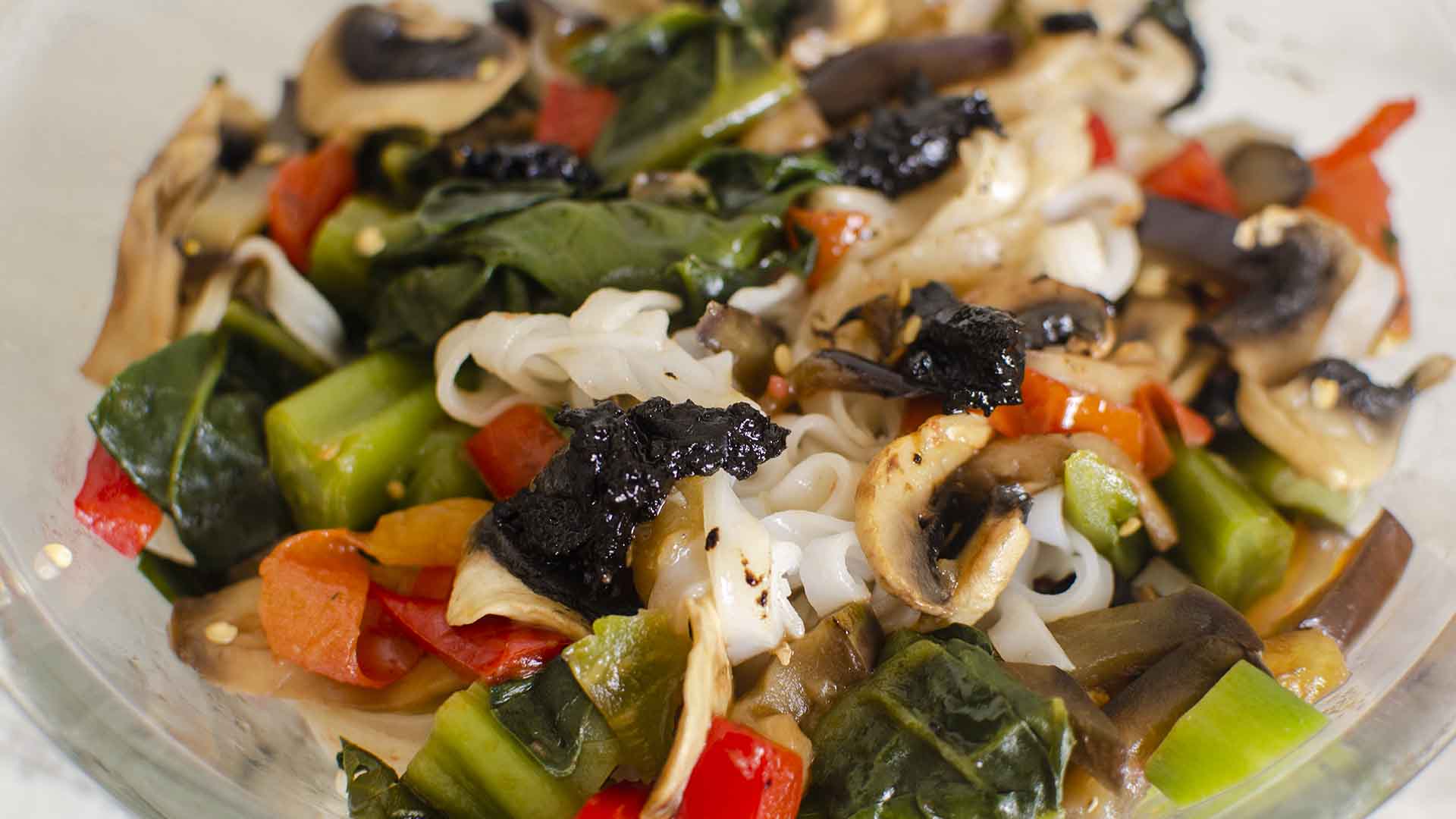
The Allure of Black Garlic: Unveiling Its Secrets and Simple Home Methods
Once a culinary secret mostly confined to Asian kitchens, black garlic has gracefully made its way into global gastronomy, captivating chefs and home cooks alike with its unique flavor profile and impressive health benefits. Far from being just a trendy ingredient, black garlic offers a sophisticated blend of sweet, savory, and umami notes that can elevate countless dishes. But what exactly is this enigmatic ingredient, and more importantly, how to make black garlic right in your own kitchen?
This comprehensive guide will demystify the process, revealing easy-to-follow home methods for creating your own supply of this gourmet superfood. We'll explore the science behind its transformation, delve into its nutritional prowess, and arm you with practical tips to ensure successful batches every time. Get ready to embark on a flavorful journey that promises rewarding results!
What Exactly IS Black Garlic? Beyond the "Fermentation" Myth
At first glance, black garlic might seem like something out of a culinary science experiment. Its striking dark color and soft, sticky texture are a world apart from the pungent white cloves it originates from. The magic behind black garlic isn't true fermentation, as many might assume, but rather a carefully controlled aging process involving low heat and high humidity over several weeks. This transformation process, often referred to as the Maillard reaction, is a complex chemical dance between amino acids and reducing sugars. It's the same reaction responsible for the browning of seared steaks or roasted coffee beans, but here it yields a profound change in garlic.
During this heated aging, the raw garlic's sharp, sulfuric compounds mellow and transform. The cloves turn a deep, glossy black, and their texture becomes remarkably soft, almost jelly-like or reminiscent of a dried date. The flavor undergoes an even more dramatic shift. Gone is the fiery bite of raw garlic, replaced by an intricate symphony of tastes: sweet molasses, tangy balsamic vinegar, subtle hints of prune or fig, and a deep umami richness. It’s smooth, savory, and incredibly versatile, making it a prized ingredient in marinades, dressings, soups, sauces, and even desserts.
It's important to differentiate black garlic from merely roasted garlic. While roasting sweetens garlic, it doesn't achieve the profound chemical changes, the depth of flavor, or the distinct texture that defines black garlic. This unique profile, combined with its historical use in Asian traditional medicine and cuisine, truly sets it apart.
Why Make Your Own Black Garlic? Health & Culinary Advantages
Beyond its captivating taste, black garlic is a nutritional powerhouse. The aging process not only transforms its flavor but also enhances certain beneficial compounds, making it a compelling addition to a health-conscious diet. When you learn how to make black garlic at home, you're not just creating a gourmet ingredient; you're cultivating a source of potent goodness.
Enhanced Antioxidant Powerhouse
One of the most significant benefits of black garlic is its elevated antioxidant content. The aging process can actually increase the levels of certain antioxidants, with some studies suggesting up to twice the amount found in raw garlic. Antioxidants are crucial for combating oxidative stress in the body, which contributes to aging and various chronic diseases.
Cardiovascular and Immune Support
Black garlic is renowned for its potential to support cardiovascular health. While the pungent compound allicin (abundant in raw garlic) may decrease during aging, black garlic develops higher concentrations of other beneficial compounds, such as S-allylcysteine (SAC). SAC is believed to play a role in reducing cholesterol levels, regulating blood pressure, and supporting overall heart function. Additionally, its anti-inflammatory properties and immune-boosting compounds can help fortify your body's natural defenses, making it an excellent ally for wellness, especially during cold and flu season. For a deeper dive into its health benefits, check out our article on Black Garlic Benefits: Boost Immunity, Heart Health, & More.
Anticarcinogenic Potential
The presence of S-allylcysteine (SAC) also positions black garlic as a subject of interest in cancer research. SAC has been studied for its potential anticarcinogenic properties, suggesting it may help protect cells from damage and inhibit the growth of certain cancer cells. While research is ongoing, these findings add another layer to black garlic's impressive health profile.
Making black garlic at home allows you to control the quality of your ingredients, avoid unnecessary additives, and enjoy a fresh supply of this superfood. Plus, there's immense satisfaction in creating such a gourmet item from scratch!
How to Make Black Garlic at Home: Essential Methods
The good news is that mastering how to make black garlic at home is surprisingly accessible, thanks to common kitchen appliances. The core principle for all methods remains consistent: maintain a low temperature (typically between 140°F and 170°F or 60°C and 77°C) and high humidity (around 80-90%) for an extended period, usually 2-4 weeks. Patience is truly a virtue here!
Method 1: The Rice Cooker Method
Perhaps the most popular and straightforward method for many households. Rice cookers are designed to maintain consistent temperatures, making them ideal for this process.
- Setup: Place whole, unpeeled heads of garlic directly into the rice cooker pot. You can wrap them in foil or parchment paper to help retain moisture and prevent drying out. Seal the lid.
- Temperature/Time: Set the rice cooker to its "Keep Warm" setting. This typically hovers around 140-160°F (60-70°C). The process will take 3-4 weeks.
- Pros: Easy to set up, requires minimal intervention, common household appliance.
- Cons: Occupies your rice cooker for weeks, can produce a garlic odor in your kitchen, temperature might fluctuate slightly depending on the model.
- Tip: Elevate the garlic on a wire rack within the cooker if you're concerned about direct contact with the heating element drying out the bottom cloves.
Method 2: The Dehydrator Method
Food dehydrators are excellent for precise temperature control, making them another reliable option.
- Setup: Arrange whole garlic heads on dehydrator trays, ensuring good airflow between them. Close the dehydrator lid.
- Temperature/Time: Set the dehydrator to 140-150°F (60-65°C). This method typically takes 3-4 weeks.
- Pros: Consistent temperature, efficient use of space if you have multiple trays, good for larger batches.
- Cons: Requires a dedicated appliance, some models might struggle to maintain high humidity without modifications.
- Tip: To boost humidity, place a small, shallow dish of water on one of the lower trays.
Method 3: The Instant Pot (Yogurt Setting) Method
Many multi-functional pressure cookers like the Instant Pot come with a "Yogurt" setting, which provides the low, consistent heat needed.
- Setup: Place garlic heads in a heat-safe glass or ceramic bowl that fits inside your Instant Pot's inner pot. Cover the bowl with a lid or foil to trap moisture. Add a small amount of water to the Instant Pot's inner pot (below the trivet) to further increase humidity.
- Temperature/Time: Use the "Yogurt" setting (typically 100-110°F or 38-43°C on low, or 140-160°F or 60-70°C on high). You might need to experiment or use a manual setting if your model allows for more precise temperature control in the 'warm' range. This method can take 2-3 weeks, sometimes longer depending on the exact temperature.
- Pros: Utilizes a common kitchen appliance, usually maintains good humidity.
- Cons: The 'Yogurt' setting might be too low for some, potentially extending the process. Some models' 'Keep Warm' might be too hot.
- Tip: Ensure the bowl holding the garlic is not directly in the water bath if using the pot's 'Keep Warm' function.
Method 4: Dedicated Black Garlic Fermenters
For enthusiasts or those planning regular batches, a purpose-built black garlic fermenter is the most efficient and reliable option.
- Setup: Simply load the garlic heads into the fermenter's trays. These devices are designed to maintain optimal temperature and humidity automatically.
- Temperature/Time: Fermenters typically operate at 140-170°F (60-77°C) and have preset cycles, usually completing the process in 10-15 days.
- Pros: Highest success rate, optimized for speed and consistency, hands-off operation, often includes odor filtering.
- Cons: Requires an investment in a specialized appliance.
Tips for Perfect Black Garlic & Enjoying Your Creation
Regardless of the method you choose, a few general tips will significantly increase your chances of success when learning how to make black garlic:
- Choose Quality Garlic: Start with fresh, firm, unblemished whole garlic heads. Organic is a plus. Avoid pre-peeled or bruised garlic.
- Maintain Humidity: This is crucial. If your device doesn't seal well, consider wrapping garlic heads loosely in foil or placing a small container of water inside to prevent drying. If garlic dries out, it won't achieve the proper soft, jelly-like texture.
- Be Patient: Rushing the process will lead to subpar results. The extended time is what allows the complex flavors and textures to develop. Check a single clove after 2-3 weeks; if it's not dark black, soft, and sweet, continue the process.
- Manage Odor: The aging garlic can produce a strong, lingering odor, especially in the first week. Consider placing your appliance in a well-ventilated area, garage, or even outdoors if possible.
- Storage: Once your black garlic is ready, store the unpeeled heads in an airtight container at room temperature for several weeks, or in the refrigerator for several months. For longer storage, you can peel and freeze the cloves.
Incorporating Black Garlic into Your Cooking
Now that you know how to make black garlic, the culinary possibilities are endless!
- Savory Applications: Mash it into a paste for marinades, dressings, or compound butters. Add it to stir-fries, risottos, or pasta sauces. Incorporate it into soups, stews, or even a gourmet grilled cheese sandwich.
- Spreads and Dips: Blend it with olive oil and a pinch of salt for a delightful crostini spread, or mix it into hummus or aioli for an umami kick.
- Direct Consumption: Its sweet, mellow flavor makes it enjoyable to eat raw as a healthy snack or as a garnish for various dishes.
- Sweet Touches: Don't be afraid to experiment! Some chefs incorporate it into chocolate desserts or even ice cream for a surprisingly complex flavor.
Conclusion: The Reward is Worth the Wait
Making black garlic at home is a testament to the transformative power of simple ingredients and a little bit of patience. While the process requires a few weeks of waiting, the end result is a truly remarkable ingredient that stands out for both its exquisite flavor and impressive health benefits. By following these easy home methods, you can unlock a new world of culinary possibilities and enjoy the satisfaction of creating this gourmet superfood yourself. So, gather your garlic, choose your preferred method, and prepare to be amazed by the magic of black garlic!
