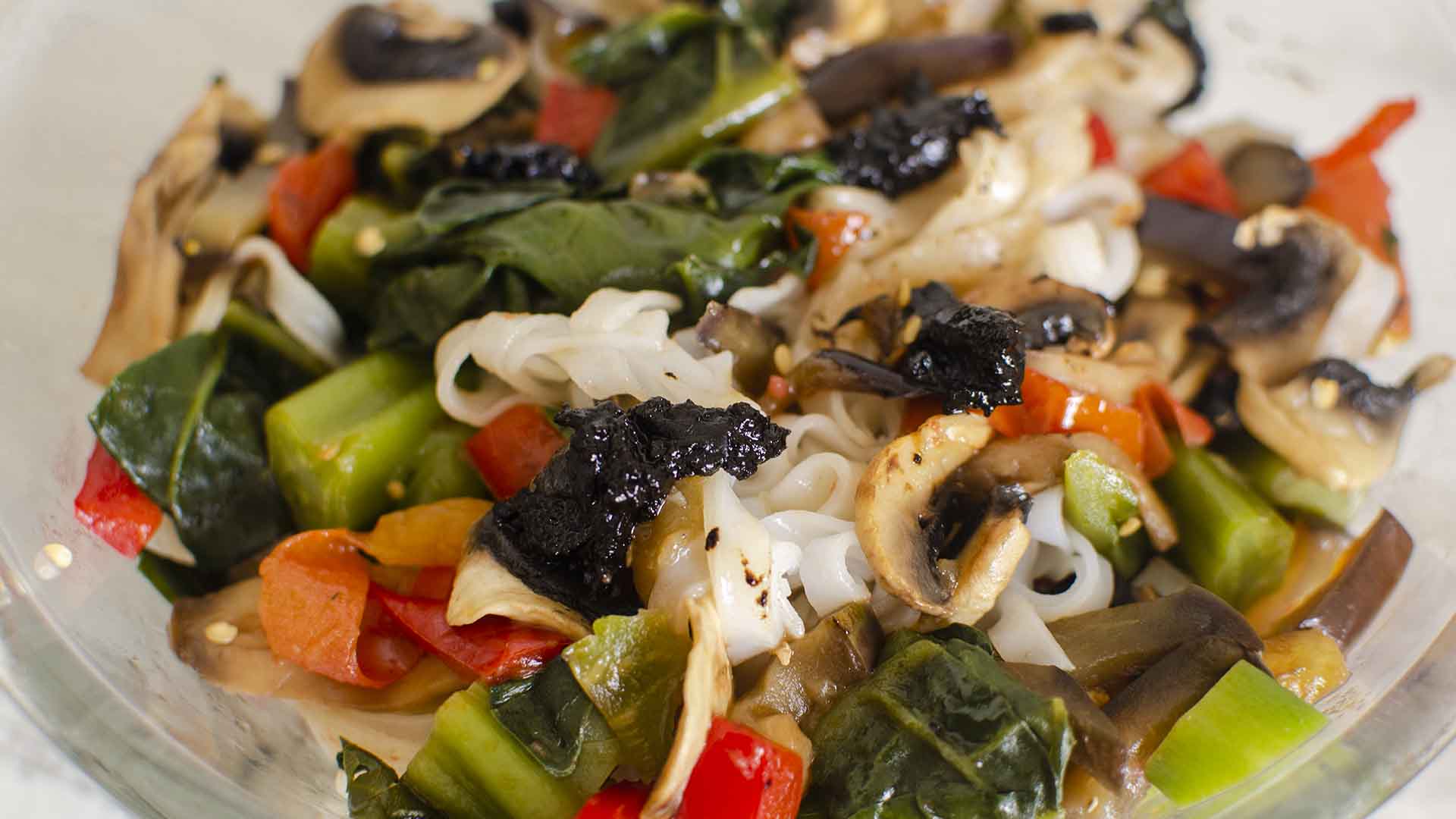
Black garlic is no longer a secret ingredient reserved for gourmet chefs or exotic Asian markets. This remarkable ingredient, born from the humble garlic clove, undergoes a captivating transformation into a dark, sweet, and intensely savory delicacy. If you've ever wondered how to make black garlic at home, you're in for a treat. It’s a surprisingly accessible process that yields incredible flavor and a host of health benefits, proving that some of the best culinary magic happens with time and a little bit of heat.
Once considered a niche ingredient, black garlic has steadily gained popularity in Western cuisine, thanks to its complex umami profile and soft, jelly-like texture. Unlike its pungent raw counterpart, black garlic sheds its characteristic sharpness, offering notes of balsamic vinegar, molasses, and even dried fruit. And while it might seem like a complex culinary feat, making it yourself is entirely within reach, offering both cost savings and the immense satisfaction of creating something truly unique in your own kitchen.
What Exactly is Black Garlic? (And What It Isn't)
Before diving into the "how-to," let's demystify black garlic. It's often mistakenly called "fermented garlic," but this is a common misconception. While traditional fermentation involves microorganisms like yeast or bacteria, black garlic's transformation doesn't. Instead, it undergoes a controlled aging process known as the Maillard reaction.
This non-enzymatic browning reaction, which also gives browned foods like seared steaks and toasted bread their distinctive flavor, is triggered by maintaining whole heads of garlic at low temperatures (typically between 140-170°F or 60-80°C) and high humidity (70-90%) for several weeks. During this extended period, the sugars and amino acids naturally present in the garlic react, creating a cascade of new compounds. These compounds are responsible for black garlic's distinctive pitch-black color, its radically altered flavor profile, and its soft, almost sticky, chewable texture.
The result is a culinary revelation: a clove that is soft and jelly-like, with a consistency akin to a soft date or molasses. Its flavor is a symphony of sweet, savory, and tangy notes, often described as having hints of balsamic vinegar, tamarind, prune, and a profound umami depth. Gone is the acrid bite of raw garlic; in its place is a mellow, sweet, and complex richness that adds a gourmet touch to countless dishes. It's also crucial to distinguish it from roasted garlic, which is simply cooked at higher temperatures for a shorter period, resulting in a softer, milder, but still distinctly garlic-flavored clove.
Why Undertake the Journey of Making Black Garlic at Home?
The appeal of black garlic extends far beyond its unique taste. There are several compelling reasons to consider mastering how to make black garlic in your own kitchen:
- Cost-Effectiveness: Store-bought black garlic, especially in specialty stores, can be quite expensive. Making it at home significantly reduces the cost per head, especially if you buy garlic in bulk.
- Quality Control: By making it yourself, you have complete control over the quality of the garlic you use. You can select fresh, unblemished, organic heads, ensuring a superior end product.
- The Sheer Satisfaction: There's an undeniable joy in creating gourmet ingredients from scratch. The process, while hands-off for the most part, is incredibly rewarding when you finally taste the fruits of your patience.
- Enhanced Health Benefits: While raw garlic is a powerhouse, the aging process of black garlic amplifies certain beneficial compounds. It boasts significantly higher levels of antioxidants (up to twice the amount of raw garlic) and S-allyl-cysteine, an anticarcinogen. These properties contribute to its potential benefits for cardiovascular health, immune system support, and anti-inflammatory effects. For a deeper dive into these advantages, explore our article on Black Garlic Benefits: Boost Immunity, Heart Health, & More.
- Culinary Versatility: Having a stash of homemade black garlic opens up a world of culinary possibilities, allowing you to experiment with its unique flavor in ways you might not have considered before.
The Core Process: General Principles for How to Make Black Garlic
Regardless of the specific equipment you use, the fundamental principles for making black garlic remain constant: consistent low heat, high humidity, and time. This delicate balance is what coaxes the garlic through its transformative Maillard reaction without burning it, drying it out, or causing it to spoil.
Here’s a breakdown of the key elements:
- Temperature: The ideal range is generally between 140°F (60°C) and 170°F (80°C). Too low, and the process takes excessively long or might not fully activate the Maillard reaction. Too high, and you risk cooking the garlic instead of aging it, leading to a burnt taste or dry, brittle cloves.
- Humidity: Maintaining high humidity (around 70-90%) is crucial. This prevents the garlic from drying out and helps achieve that signature soft, jelly-like texture. Lack of humidity results in hard, chewy, or overly dry black garlic.
- Time: Patience is paramount. The aging process typically takes 2 to 4 weeks, sometimes even longer, depending on the method, garlic size, and desired outcome. Rushing it will compromise the flavor and texture.
- Garlic Selection: Start with fresh, firm, whole heads of garlic. Avoid any with blemishes, sprouts, or signs of mold. Larger cloves generally yield better results as they are less prone to drying out. Do not peel the garlic heads; the papery skins help protect the cloves during the long aging process.
Popular Home Methods for Making Black Garlic
The good news is that you don't need highly specialized equipment to learn how to make black garlic. Several common kitchen appliances can be repurposed for this task:
- Rice Cooker: Many rice cookers have a "keep warm" setting that maintains a suitable low temperature.
- Pros: Widely available, often designed for continuous low-heat operation.
- Cons: May require external monitoring for humidity; occupies your rice cooker for weeks.
- Tips: Place whole garlic heads directly into the inner pot. You might need to add a small, shallow dish of water or a damp paper towel to maintain humidity, checking it periodically to ensure it doesn't dry out. Ensure the lid seals well.
- Food Dehydrator: While primarily designed for drying, many dehydrators offer low-temperature settings that can work.
- Pros: Designed for long-duration, consistent low-temperature operation.
- Cons: Can struggle to maintain the necessary high humidity, potentially leading to dry black garlic.
- Tips: Place a small heat-safe container of water on one of the trays to increase humidity. Monitor the garlic's texture closely to ensure it doesn't become brittle.
- Instant Pot (or Multi-Cooker with "Keep Warm" / "Yogurt" function): Similar to a rice cooker, the "keep warm" or "yogurt" settings on these appliances can provide the required environment.
- Pros: Versatile appliance, good at maintaining stable temperatures.
- Cons: Occupies the pot, may need humidity adjustments.
- Tips: Use the "yogurt" setting (often around 110°F) for a longer process, or a "keep warm" setting if it hits the right temperature range. Add a tiny amount of water to the bottom of the pot, but ensure the garlic heads are not submerged.
- Dedicated Black Garlic Fermenter (Aging Machine): For the most consistent and often hassle-free results, these specialized devices are designed specifically for black garlic production.
- Pros: Optimal control over temperature and humidity, highest success rate, often produces excellent texture and flavor.
- Cons: An additional kitchen appliance purchase.
- Tips: Simply load the garlic and follow the manufacturer's instructions. These often have preset cycles for ideal black garlic.
Regardless of your chosen method, be aware that the aging process will produce a distinct garlic aroma, which mellows over time. Ensure your setup is in a well-ventilated area or a place where the scent won't be disruptive.
Tips and Tricks for a Successful Batch
- Garlic Quality Matters: Start with healthy, firm, unblemished heads. Any imperfections can lead to spoilage during the long aging period.
- Even Spacing: Don't overcrowd your appliance. Ensure there's enough space for air circulation around each garlic head.
- Monitor Regularly (but not excessively): Check your garlic every few days to a week. You're looking for a dark, uniform color and a soft, sticky texture. Resist the urge to constantly open the device, as this disrupts the temperature and humidity.
- Patience, Patience, Patience: This is the most critical ingredient. Don't pull your garlic too soon. If it’s still light brown or hard, it needs more time.
- Troubleshooting: If your black garlic turns out too dry and brittle, your humidity was likely too low. If it's too wet or moldy, there might have been too much moisture or the temperature wasn't consistent enough.
Harvesting and Storing Your Homemade Black Garlic
You'll know your black garlic is ready when the cloves are uniformly deep black, soft, sticky, and have a rich, sweet, and savory aroma. Once cooled, peel the individual cloves. They can be stored in an airtight container in the refrigerator for several weeks to a few months, or frozen for up to a year. Freezing won't significantly alter its texture or flavor.
Unlocking Culinary Delights: Ways to Use Your Black Garlic
Now that you’ve mastered how to make black garlic, the fun truly begins! Its unique flavor profile makes it incredibly versatile:
- Directly: Enjoy a clove as a healthy, sweet snack.
- Spreads & Dips: Mash it into butter, mayonnaise (for an aioli), hummus, or cream cheese.
- Marinades & Dressings: Puree it into marinades for meats or vegetables, or whisk into salad dressings for an umami kick.
- Soups & Sauces: Stir it into broths, pasta sauces, gravies, or risottos for incredible depth.
- Roasted Vegetables: Toss whole cloves with root vegetables or Brussels sprouts before roasting.
- Savory-Sweet Dishes: Its balsamic and molasses notes make it surprisingly good in unexpected places, even alongside chocolate or in glazes for duck.
- Aromatics: Mince and add to stir-fries, omelets, or scrambled eggs.
For more ideas and comprehensive guides on incorporating this exquisite ingredient into your daily cooking, you might also find value in our comprehensive resource: How to Make Black Garlic: Easy Home Methods & Health Benefits.
Conclusion
Embarking on the journey of making black garlic at home is a rewarding experience that transforms a common pantry staple into a gourmet treasure. While it demands patience and attention to the delicate balance of low heat and high humidity, the result is a culinary revelation: a sweet, savory, umami-rich delicacy with incredible health benefits. By following these guidelines and experimenting with different methods, you can confidently learn how to make black garlic and unlock its unique flavor and health perks, enriching both your palate and your well-being. So, gather your garlic, choose your method, and prepare to be amazed by the magic of time and transformation.
